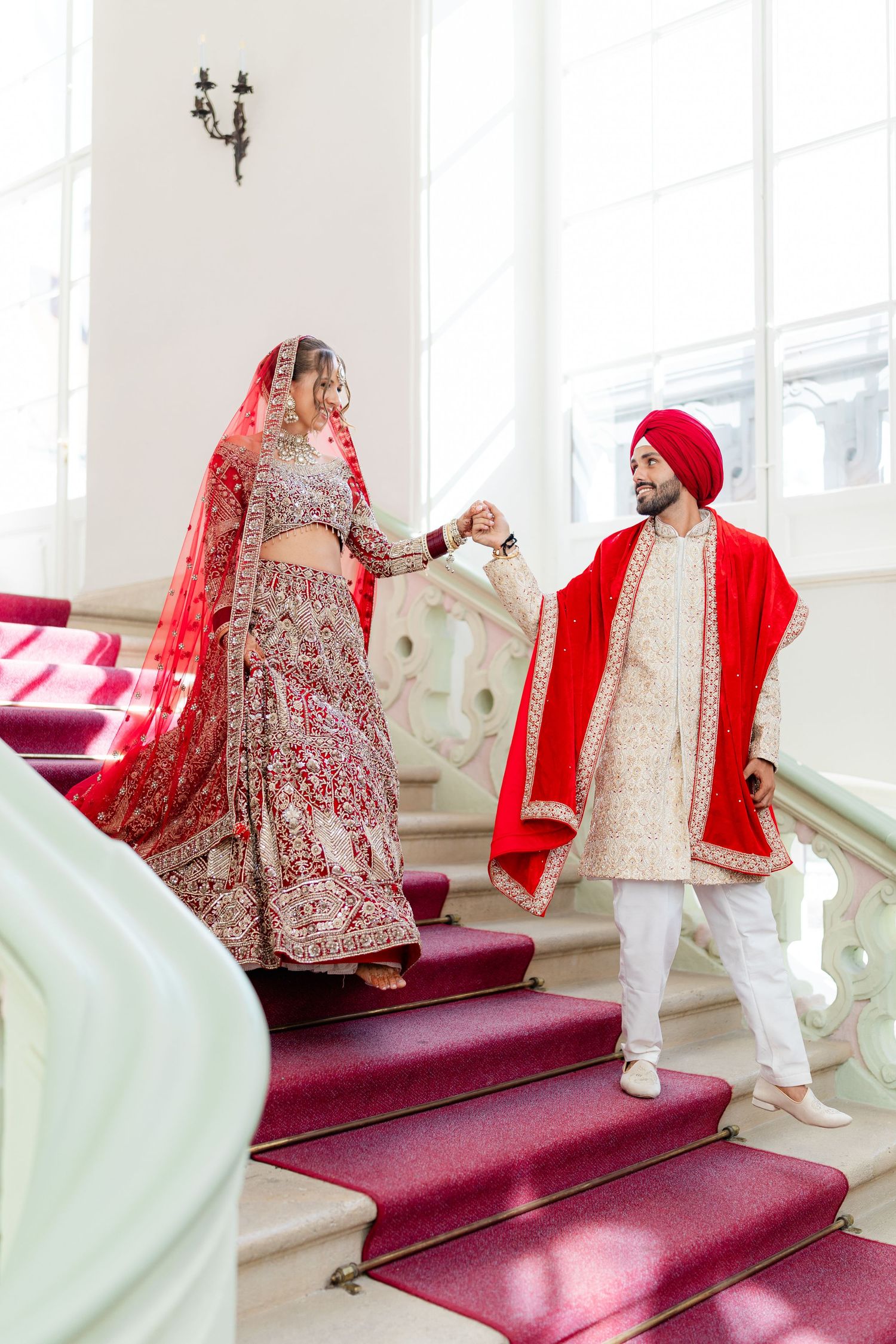
If you're an Indian couple (or a couple from an Indian family, wherever in the world you now call home) dreaming of a European wedding that still honours every ritual you grew up with, Laura and Vikram's celebration is exactly the kind of story that should be on your inspiration board. Over three unforgettable days, they brought together 350 guests from Hungary, India, the UK and beyond, and wove the full richness of a traditional Indian wedding — Baraat, Milni, Anand Karaj — into a setting most people only dream of: a Hungarian royal palace and a riverside terrace on the Danube. Our team was there as the wedding photographers documenting the celebration, and we want to walk you through exactly how it came together — both as a love story and as a practical blueprint for anyone planning a similar multicultural wedding in Hungary.
Why Hungary? Why a Multi-Day Indian Wedding Abroad?
Laura is Hungarian, Vikram's family is Indian, and rather than choosing one culture over the other, the couple decided to give each tradition the time and space it deserved. That decision alone is the biggest piece of advice we can offer any couple in a similar position: an authentic Indian wedding simply cannot be compressed into a single afternoon. Between the Baraat, the Milni, the Anand Karaj ceremony itself, and the celebratory reception that follows, you are really planning several distinct events that each carry their own emotional weight — and Hungary, it turns out, offers exactly the kind of grand, flexible venues that can hold all of it. Budapest and its surroundings are increasingly popular for destination weddings thanks to their combination of dramatic historic architecture, relatively easy logistics for international guests, and a growing pool of vendors who are genuinely experienced with South Asian wedding traditions — from dhol drummers to authentic Indian catering. Laura and Vikram's wedding is proof of just how seamlessly these two worlds can come together.
Understanding the Traditions: Baraat, Milni, and Anand Karaj
For readers who may be less familiar with these rituals, or who are explaining them to Hungarian family and vendors for the first time, here's a quick primer on the three ceremonial pillars that shaped Laura and Vikram's wedding day.
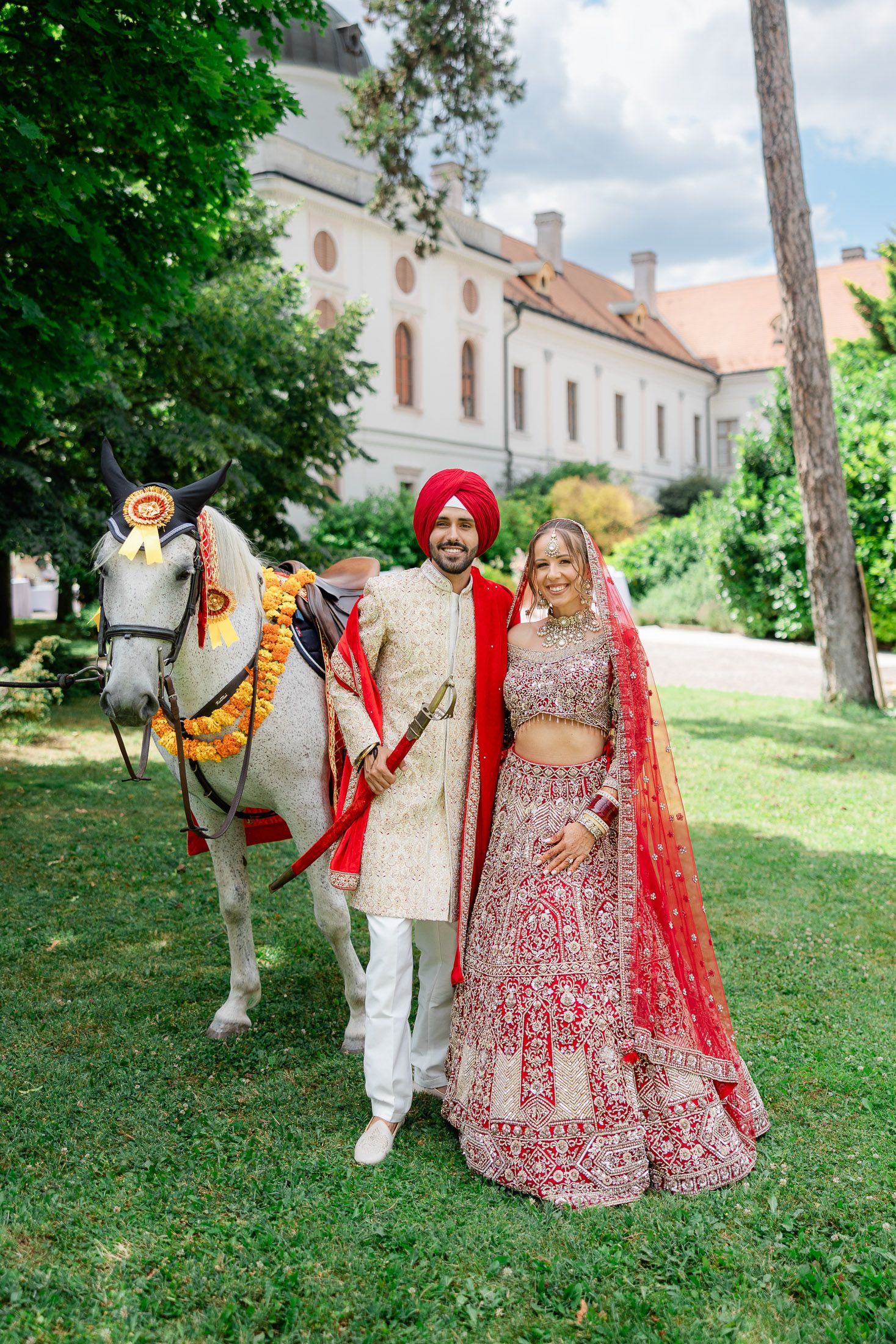
The Baraat is the groom's joyous, music-filled procession to the ceremony venue. Traditionally the groom arrives on horseback or in an ornately decorated vehicle, surrounded by dancing family and friends, all moving to the thunderous beat of the dhol drum. It's one of the most visually spectacular and high-energy moments of any Indian wedding — pure, unfiltered celebration, and an absolute gift for photographers and videographers to capture.
The Milni, which literally means "meeting," is the formal, ceremonial first meeting between the two families. Members of the bride's and groom's families greet each other one by one — usually matched by generation or relation — exchanging garlands and embraces. It's the moment the two families officially become one, and it tends to be full of genuine, unscripted emotion, which makes it one of our favourite moments to document candidly.
The Anand Karaj is the Sikh wedding ceremony itself — the name translates roughly to "the ceremony of bliss" or "the path of joy." At its heart are the four laava (circuits) that the couple walks around the Guru Granth Sahib (the holy scripture), each one representing a stage of married life and the couple's shared spiritual journey. It's a quieter, more meditative counterpart to the exuberance of the Baraat, and the contrast between the two is part of what makes an Indian wedding day so emotionally layered.
Together, these three elements — the joy of arrival, the warmth of two families meeting, and the spirituality of the vows — formed the backbone of Laura and Vikram's wedding, framed by Hungarian and international hospitality, music, and celebration.
Day One: Getting Ready and the Rituals Begin
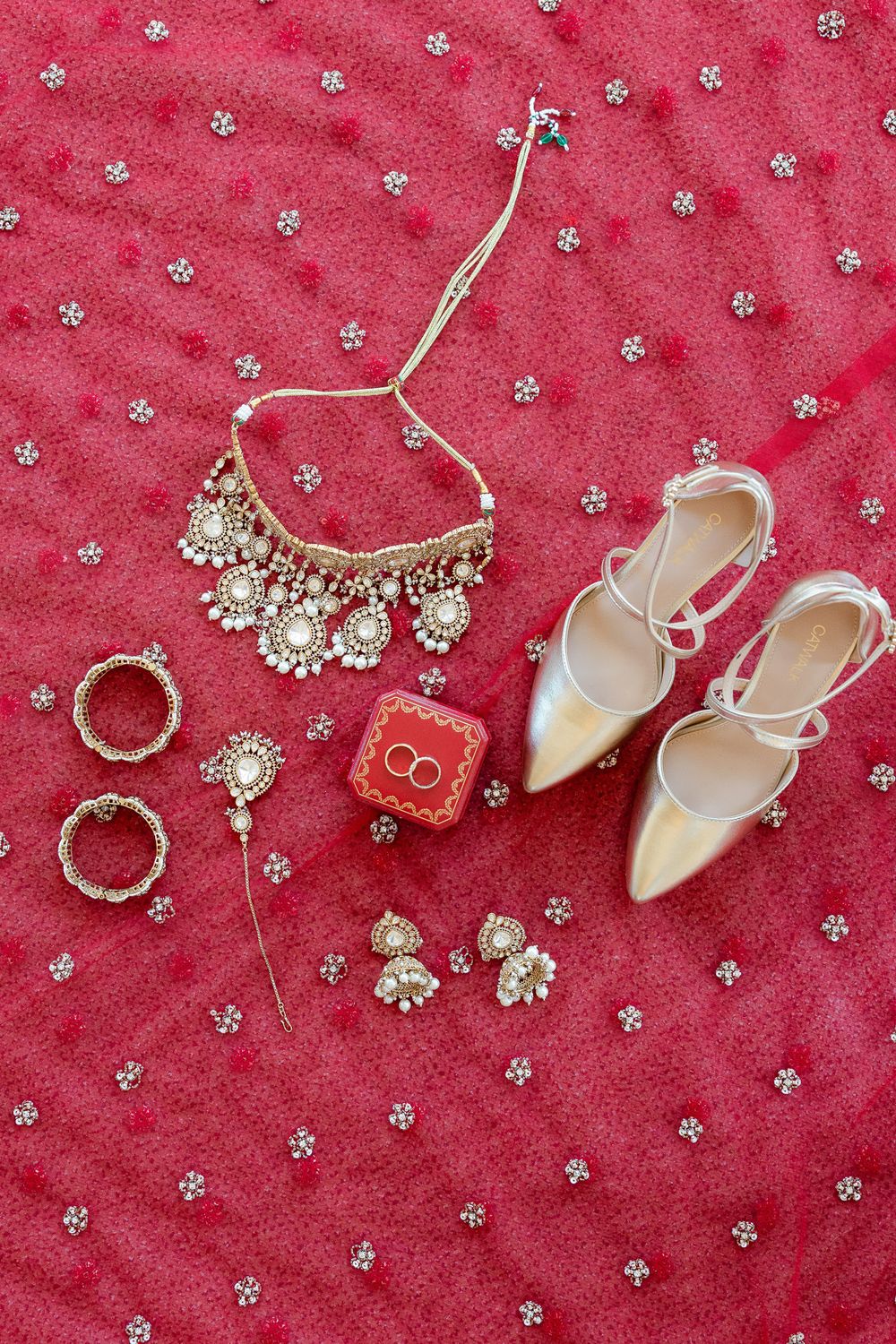
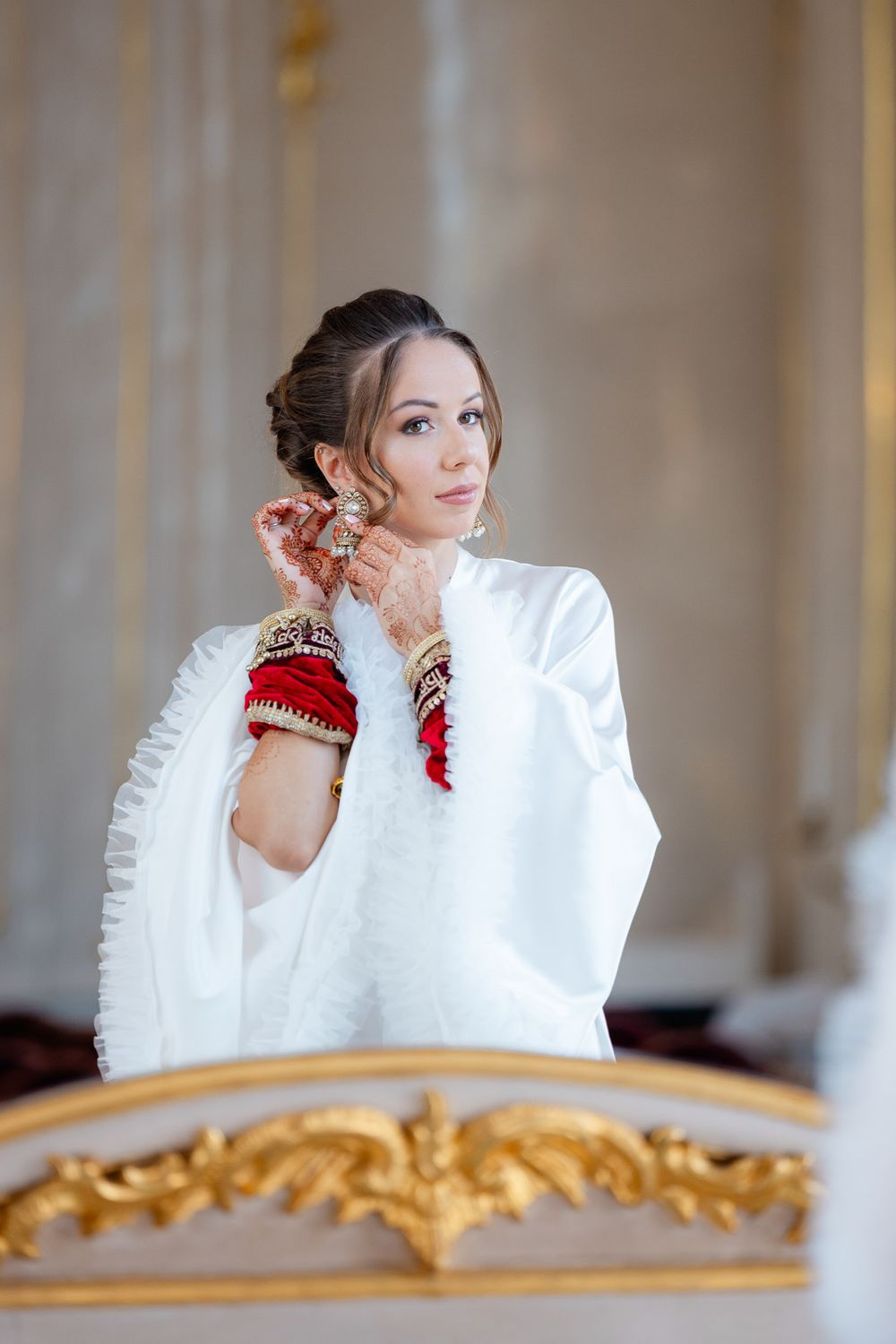
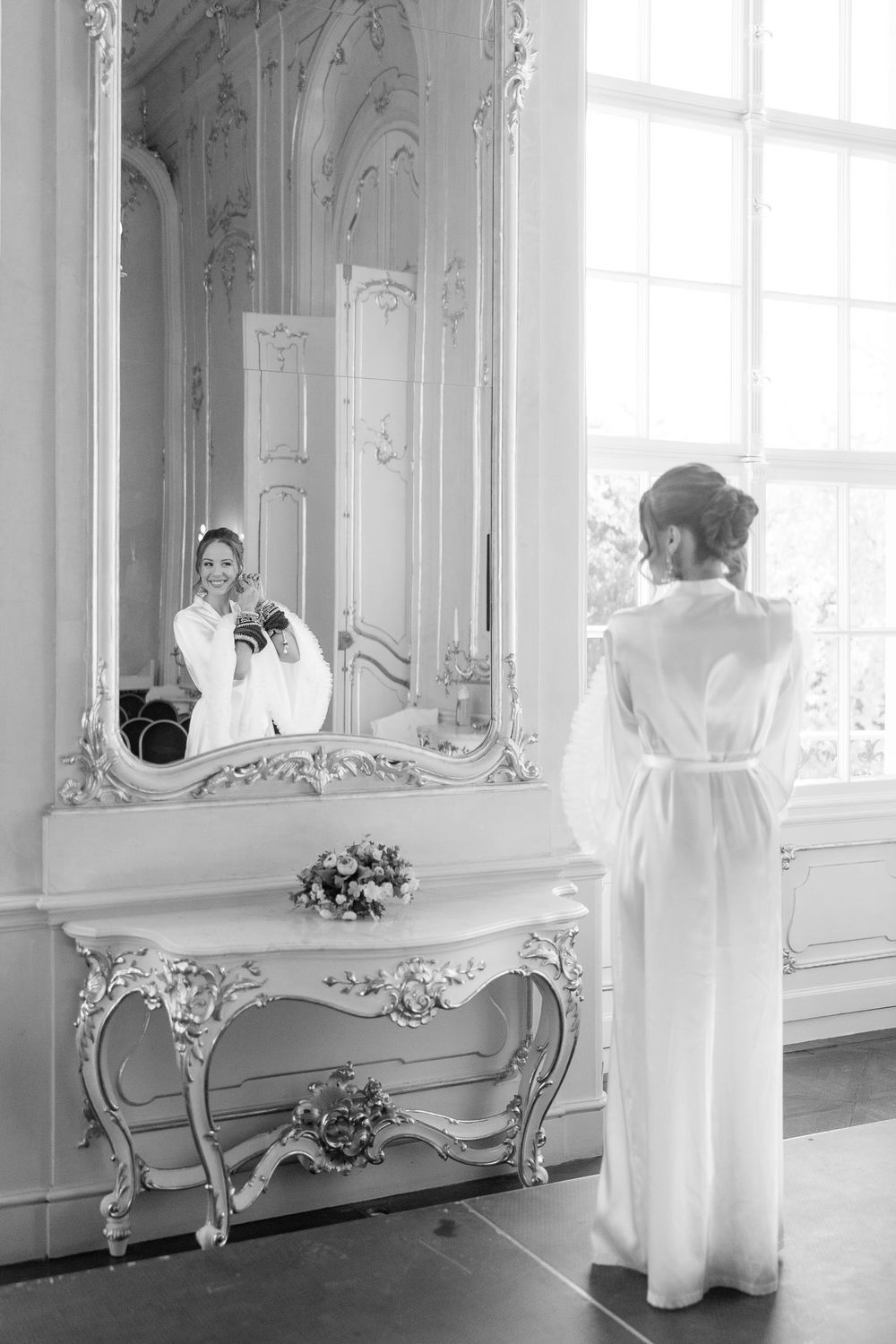
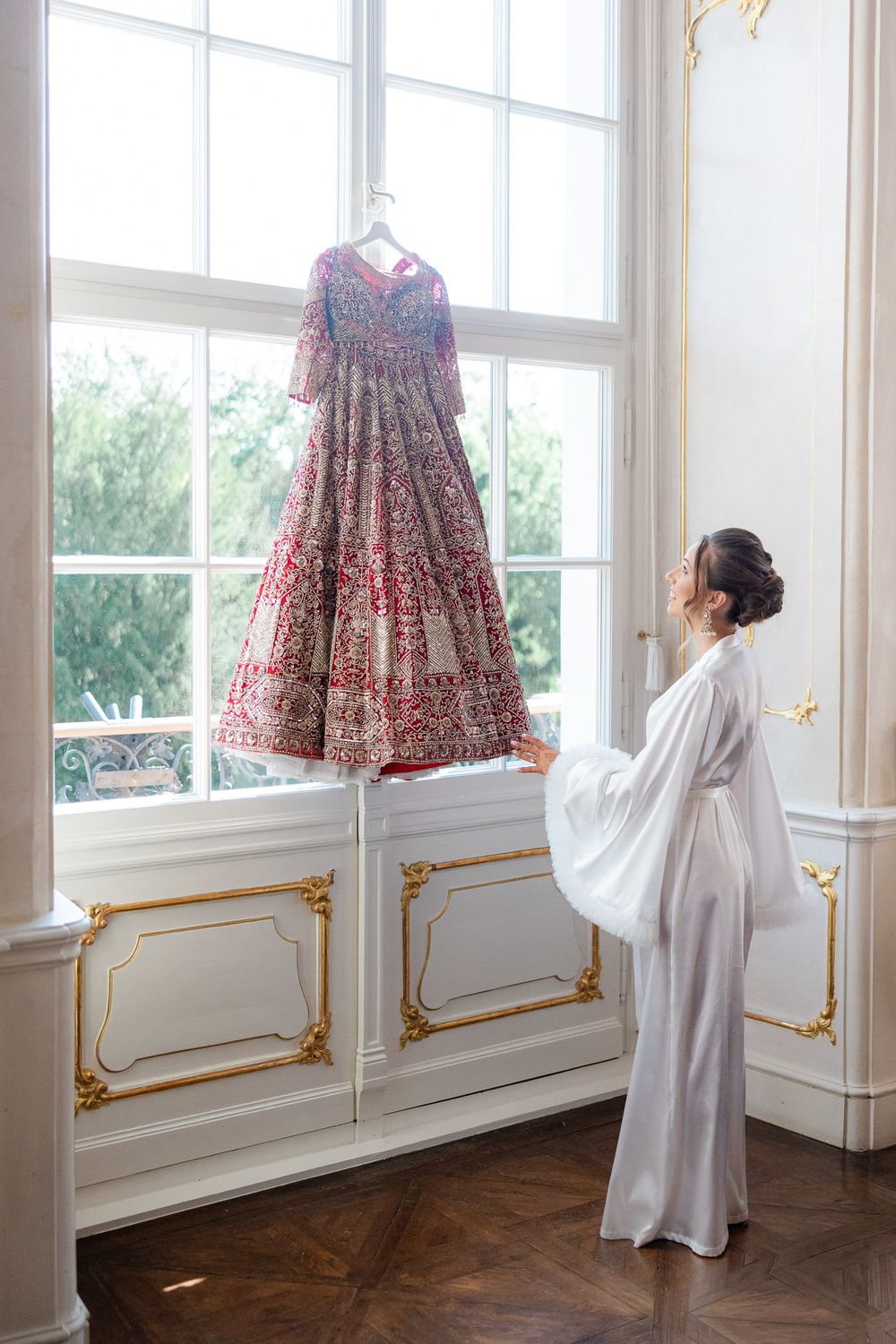
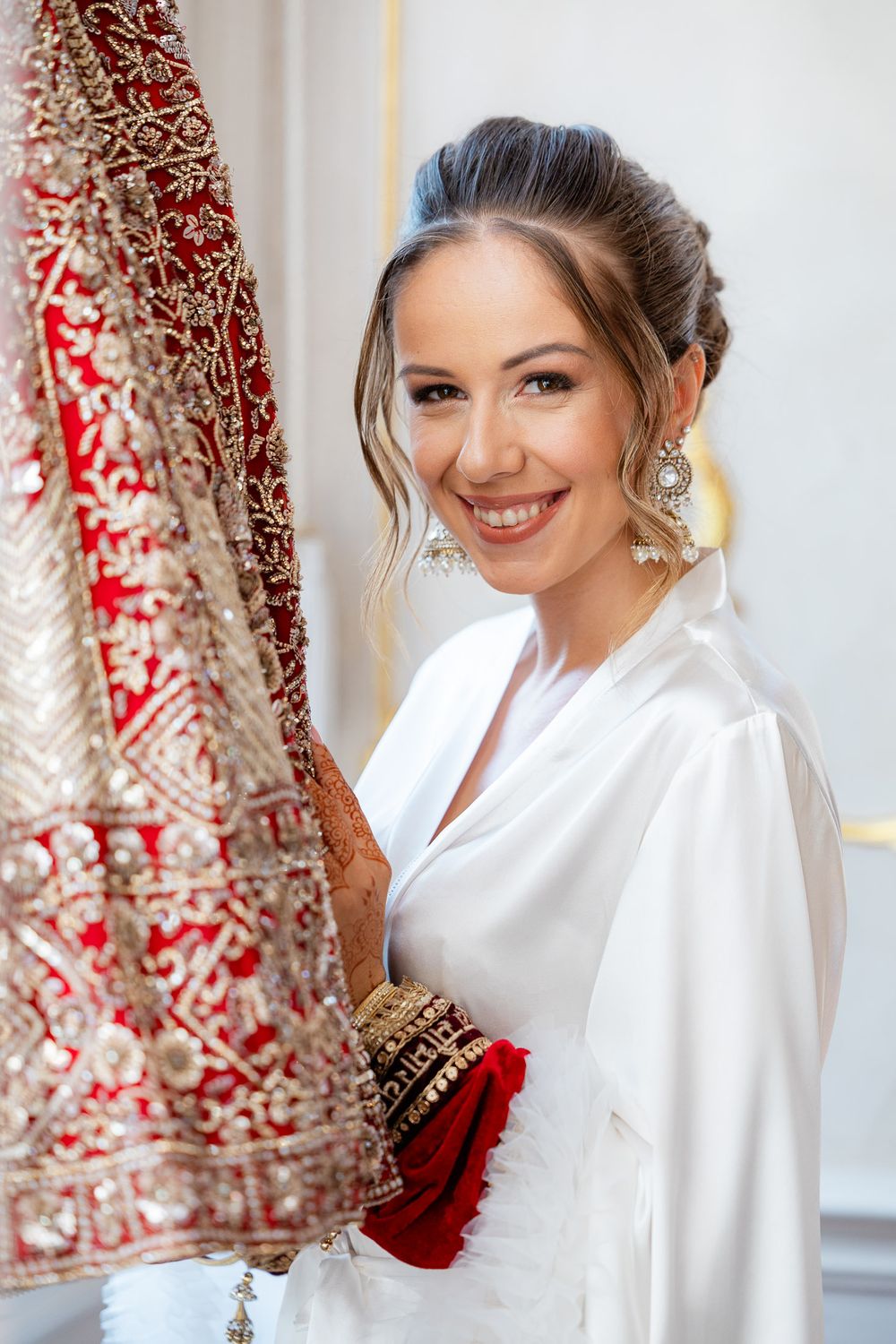
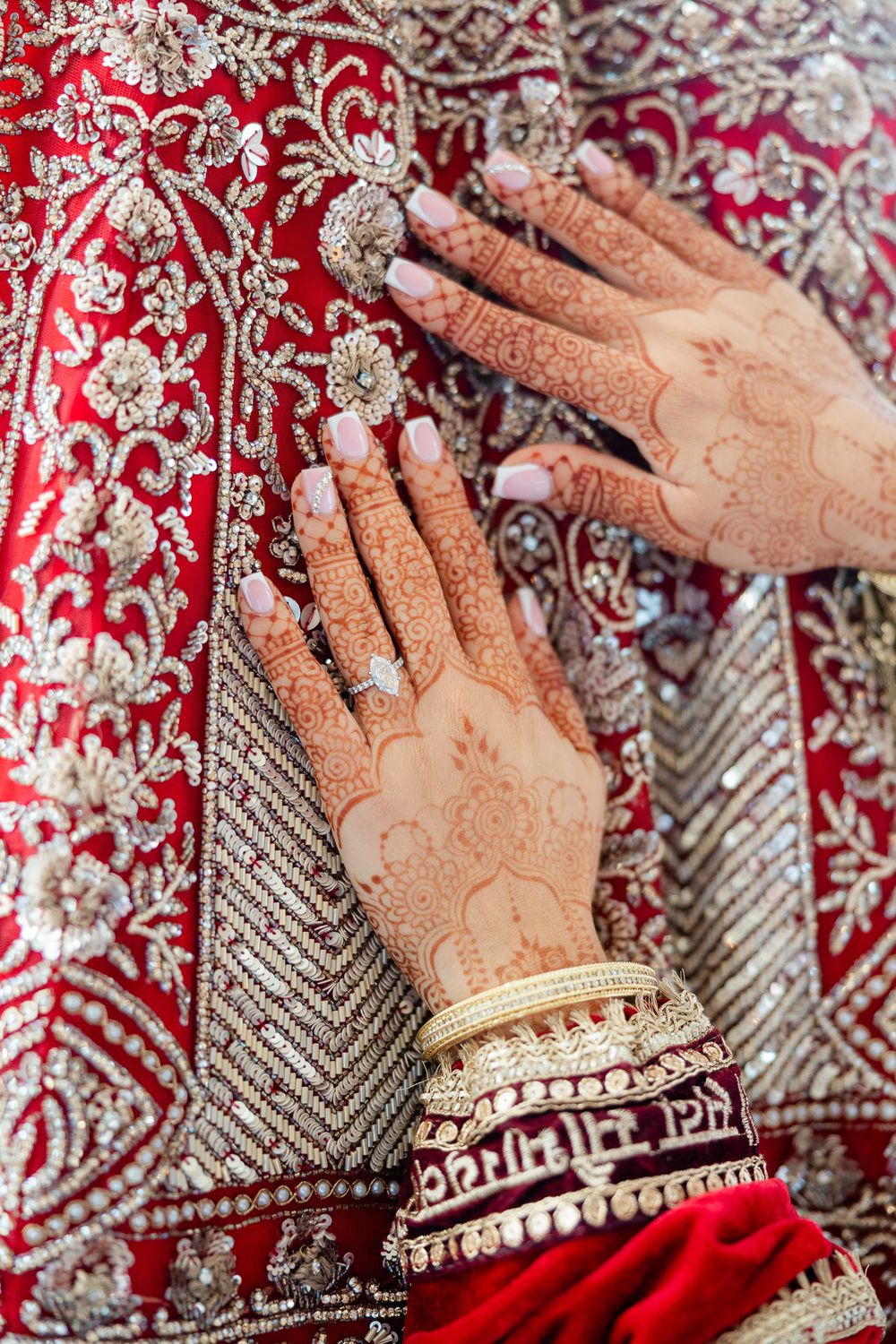
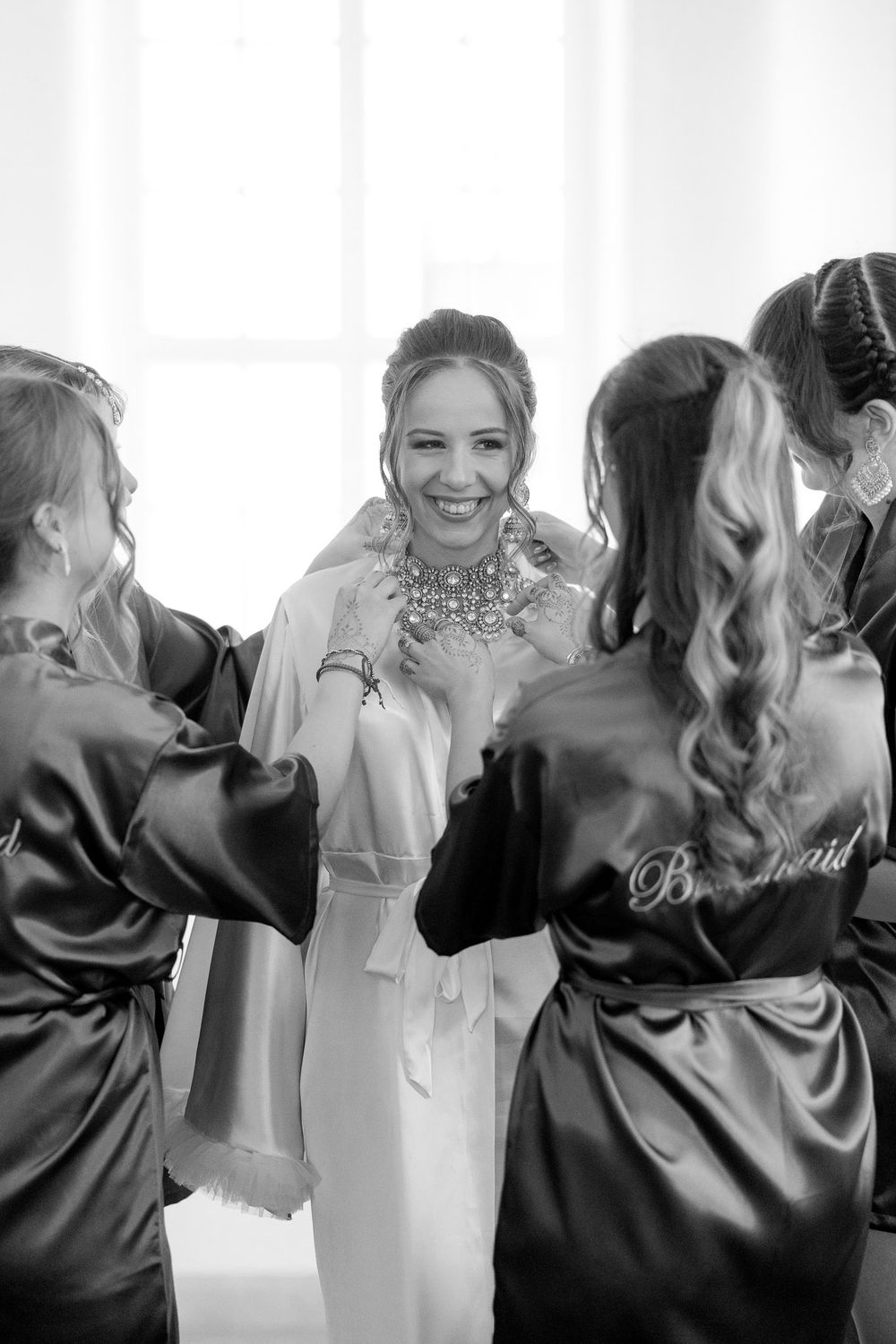
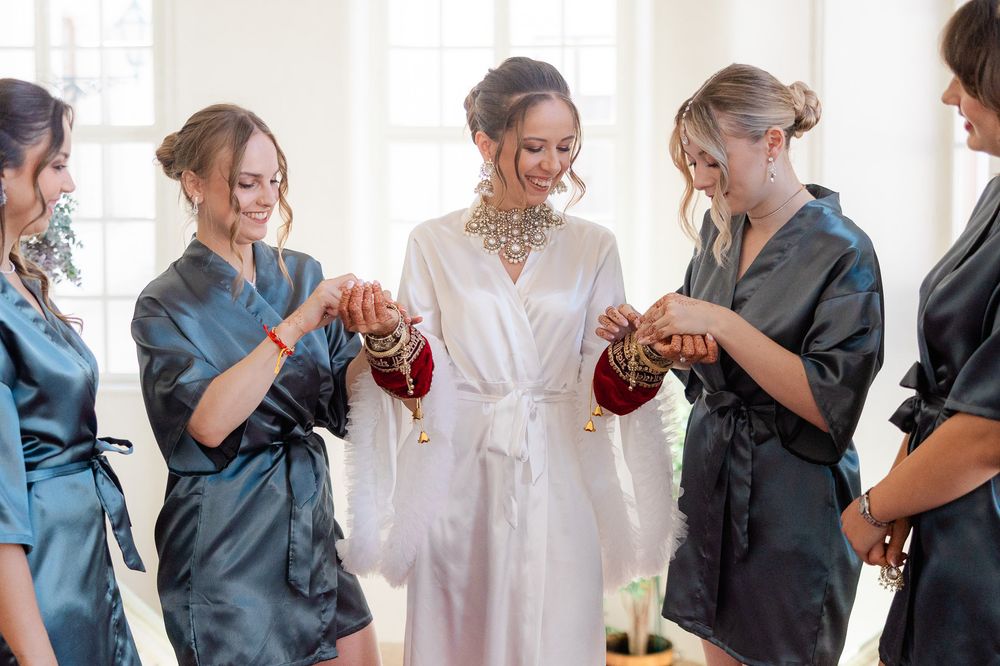
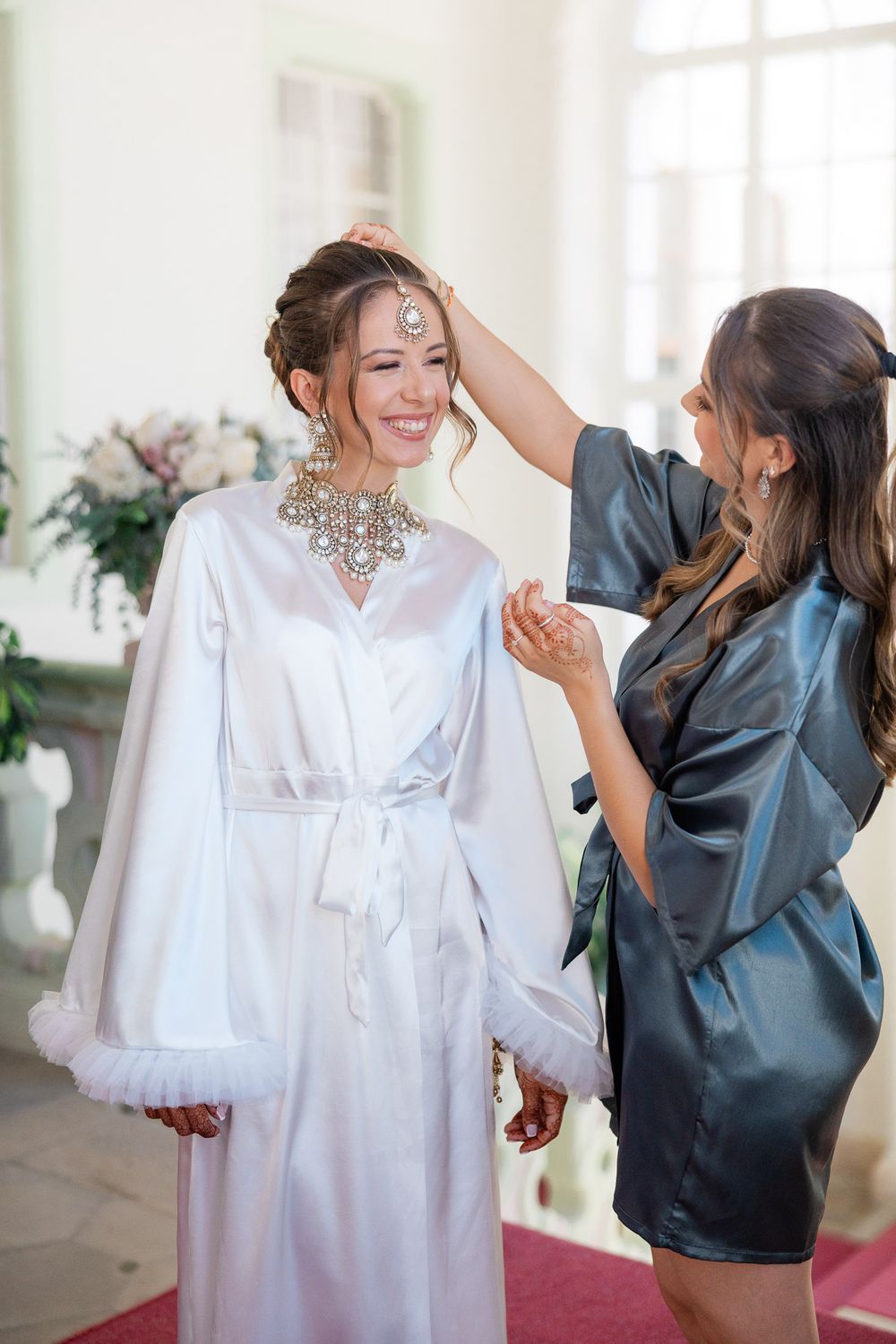
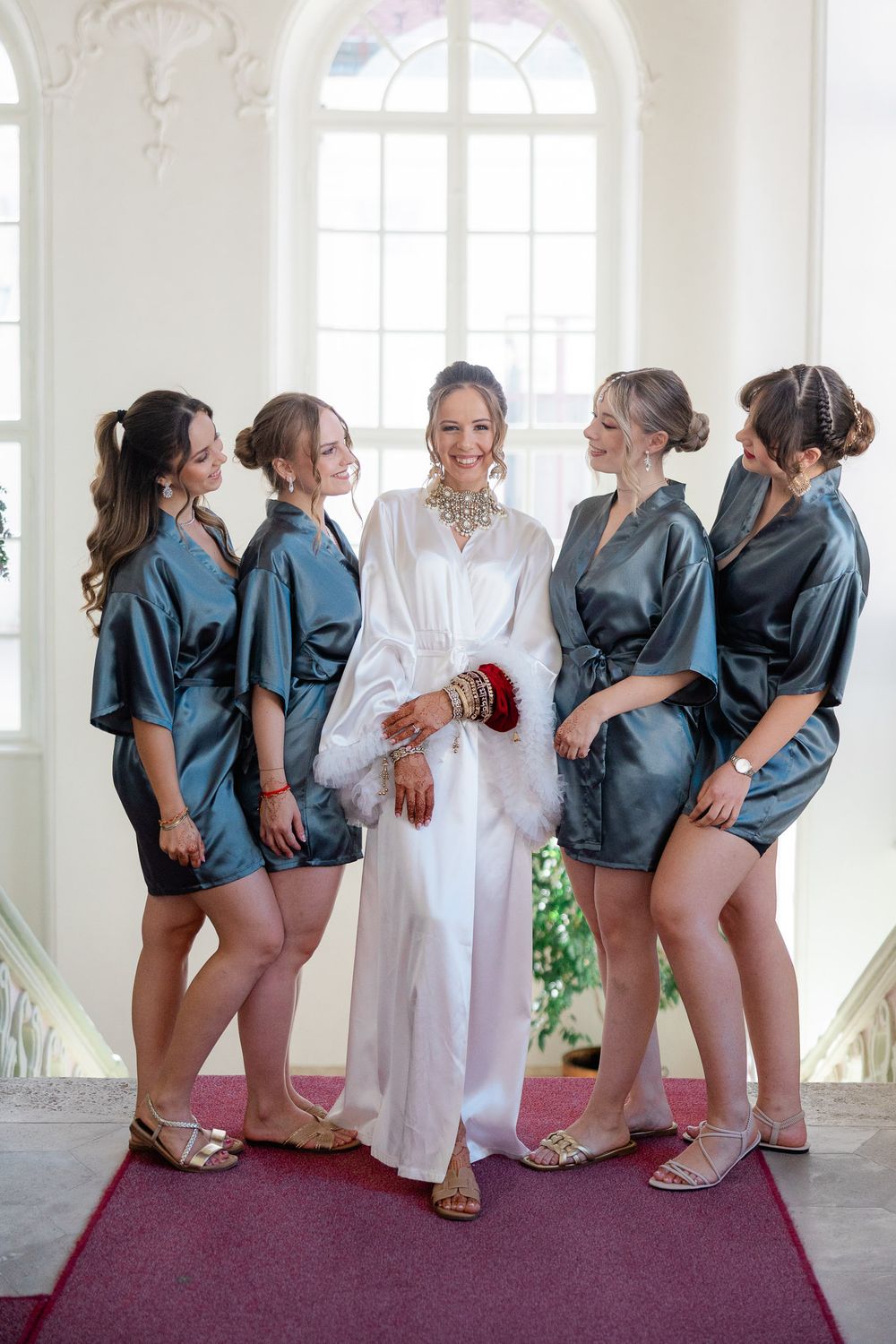
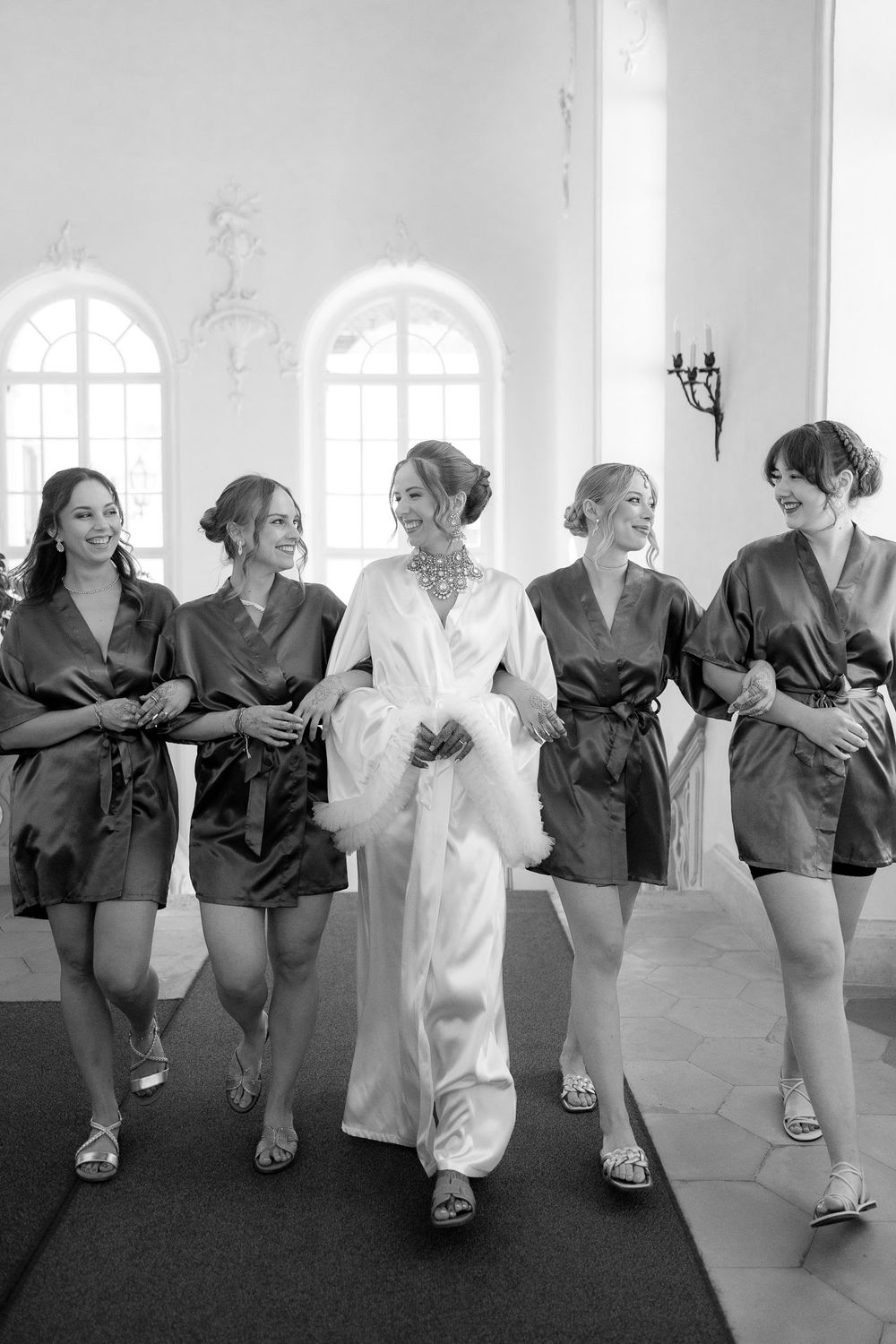
The first of the three days was devoted to preparation and the intimate, family-centred rituals that lead up to the main event. This included hair and makeup preparation as well as mehndi (henna) application — one of the most visually rich and symbolically meaningful traditions in any Indian wedding. The intricate patterns painted onto the bride's hands and arms are said, in folk tradition, to reflect the depth of love between the couple, and the quiet, patient nature of the process makes for some of the most intimate, storytelling-rich images of the entire wedding.
Day Two: The Ceremony at Gödöllő Royal Palace
The second day was, in every sense, the heart of the wedding weekend — and the choice of venue could not have been more fitting. The ceremony took place at Gödöllő Royal Palace, one of Hungary's most magnificent Baroque palaces and, at nearly 30 minutes from central Budapest, an easy and dramatic destination for international guests. With its gold-and-white grand halls, sweeping historic park, and the impressive Riding Hall (Lovarda), the palace gave the day a majestic, fairy-tale backdrop that beautifully echoed the grandeur of a traditional Indian wedding.
The day opened with the Baraat: Vikram and his family arrived in a joyous, music-driven procession, the energy set by dhol drummers from Imperial Drummers, who travelled from the UK for the occasion. With over 15 years of experience performing traditional Punjabi dhol at weddings and events across the world — including Disneyland Paris and numerous high-profile celebrations — the team brought an unmistakably authentic energy to the palace grounds. The pounding rhythm, vibrant turbans, and unrestrained dancing told a story all on their own, long before the camera even needed direction.
The Baraat was followed by the Milni, the emotional first meeting between the two families, and then by the heart of the day: the Anand Karaj itself, officiated by a ceremony officiant who had also travelled from the UK. This part of the day carried a completely different energy — quieter, more meditative — as the four laava were completed and the 350-strong, bilingual, bicultural crowd watched in near silence, visibly moved.
After the ceremony, guests continued the celebration in the palace's halls and gardens, where traditional Indian food was served by the team from Indigo Express — a detail that carried extra personal meaning, since the catering business is owned and run by the groom and his father. Indigo has been synonymous with authentic Indian cuisine in Budapest for nearly two decades, and having the groom's own family serve the feast added a layer of heritage and warmth that no external caterer could quite replicate. If you're planning an Indian wedding in Hungary and want food that genuinely tastes like home, this is exactly the kind of detail worth prioritising.
Music and sound for the ceremony day was handled by a DJ who travelled from the UK, together with the Hungarian team from WellWed, who brought their signature festival-level sound and lighting design to the historic setting — a nice example of how international and local vendors can work side by side seamlessly.
Day Three: The Party on the Danube Riverside — and the Same-Day Edit Film
The third and final day shifted gears entirely. After the formality and ritual of day two, this was the day for pure celebration, hosted at the Divinus Event Centre on Budapest's Római-part (Roman Riverside). With its floor-to-ceiling windows overlooking the Danube, indoor-outdoor terraces, and in-house catering, Divinus offered exactly the relaxed, elegant, riverside-party atmosphere the couple wanted to close out the weekend.
This was also the day our team delivered one of our favourite pieces of wedding filmmaking: the same-day edit. Right after the cake-cutting, we screened a short film for all 350 guests — cut together from footage captured earlier in the celebration, edited and finished within the same day so guests could relive the wedding's best moments while the party was still in full swing. For a multi-day wedding like this one, a same-day edit is an especially powerful tool: because it can draw on footage from earlier days as well, it becomes a richer, more layered highlight reel than what's possible at a single-day wedding — and there's something genuinely magical about a room full of guests, many of whom were in the room for the moments now flickering on screen, breaking into applause and tears together.
The evening's music and dancing were rounded out by a bhangra instructor who taught guests — Hungarian and Indian alike — the basic steps of the traditional Punjabi dance, so that by the end of the night, the entire wedding party was dancing together to the dhol beat.
What We Learned Photographing and Filming a Multicultural, Multi-Day Wedding
Photographing and filming a three-day, bicultural wedding is a genuinely different challenge from covering a single-day Hungarian wedding — and it comes with its own rewards. Here's what stood out to us from Laura and Vikram's celebration, and what we'd want any couple planning something similar to know:
Know the rituals before you arrive. The Baraat, Milni, and Anand Karaj each have their own structure and emotional high points. A photography or videography team that doesn't understand the sequence and significance of these moments will miss the shots that matter most. Preparing in advance — knowing exactly when the groom arrives, when the families meet, and when the ceremony reaches its spiritual peak — is essential.
Light and venue shift dramatically across the days. The historic, gold-and-white interiors of Gödöllő Palace call for a completely different visual approach than the modern, glass-walled terrace at Divinus on the riverside. A team covering a wedding like this needs to be able to adapt style and technique fluidly from one setting, and one cultural register, to the next.
Coordination is everything. A 350-guest, bilingual, multi-day wedding only runs smoothly when every vendor — from the wedding planners to the master of ceremonies to the sound team — knows their role and is in sync with everyone else. The level of coordination this wedding required, and delivered, is rare, and it's a large part of why every element of the weekend felt effortless to the guests.
Consider a same-day edit for multi-day weddings. Because it can incorporate footage from earlier in the celebration, a same-day edit becomes even more powerful across a multi-day format — giving guests a richer emotional payoff before the weekend even ends.
Practical Advice for Couples Planning an Indian Wedding in Hungary
If Laura and Vikram's wedding has you dreaming of your own Indian (or multicultural) celebration in Hungary, here are a few practical takeaways worth keeping in mind as you start planning:
Give the rituals room to breathe. A proper Indian wedding rarely fits into a single afternoon if you want to honour the Baraat, the Milni, and the Anand Karaj properly. Spreading the celebration across two or three days, as Laura and Vikram did, means no single element feels rushed, and every ritual gets the attention it deserves.
Choose a venue that can flex between formal and festive. Gödöllő Palace worked so well as the ceremony venue precisely because it could host both a large, formal religious ceremony and a more relaxed outdoor celebration on the same grounds. If you're planning a multi-tradition wedding, look for a venue that can hold both registers.
Think about your international guests. When roughly half your guest list is flying in from abroad — as was the case here, with guests arriving from India and the UK — it's worth booking vendors who genuinely understand and can authentically represent both cultures. The UK-based ceremony officiant and dhol drummers brought exactly that kind of authenticity to a Hungarian venue.
Let food tell a story. Indigo Express catering wasn't just delicious — it was symbolic. Having the groom's own family business feed the guests turned the meal into an expression of heritage and hospitality that no outside caterer could replicate. Consider how your own family's story or culinary background could become part of your wedding's narrative.
Consider a same-day edit. If you're planning a multi-day wedding, a same-day edit screened at the reception can become one of the most emotional moments of the entire weekend — giving your guests the chance to relive the best moments together before the celebration even ends.
Trust an experienced, well-coordinated team. A three-day, 350-guest, bilingual, bicultural wedding is a serious logistical undertaking. The wedding planner, coordinators, master of ceremonies, and every individual vendor need to communicate precisely with one another — that behind-the-scenes coordination is exactly what allows the couple and their guests to feel nothing but the joy of celebrating, with none of the stress of the planning.
The Team Behind the Celebration
A wedding of this scale and cultural richness simply isn't possible without an exceptional, well-coordinated vendor team. Here is everyone who helped bring Laura and Vikram's celebration to life:
Venues: Gödöllő Royal Palace and Divinus Event Centre
Photography: Connor Delano Weddings — our team, capturing the day in a natural, emotion-led, documentary style.
Film: Esküvőnk Története — our filmmaking partner team, who created the same-day edit as well as the full wedding film.
Wedding planner: B Event & Wedding, led by Boglárka Maradi-Kisdéry, who was named Wedding Planner of the Year at the Hungarian Wedding Gala & Award in 2022.
Wedding coordinators: The Love Inc. Hungary and Réka Dankó Events
Master of ceremonies: Schneider Frigyes
Music and technical production: Harv Kudos (UK-based DJ) and WellWed (sound & lighting)
Catering: Indigo Express — a family business owned by the groom and his father
Decoration: Charme et Style and Kiss Attila Florist
Equipment rental: Brent Event Rentals
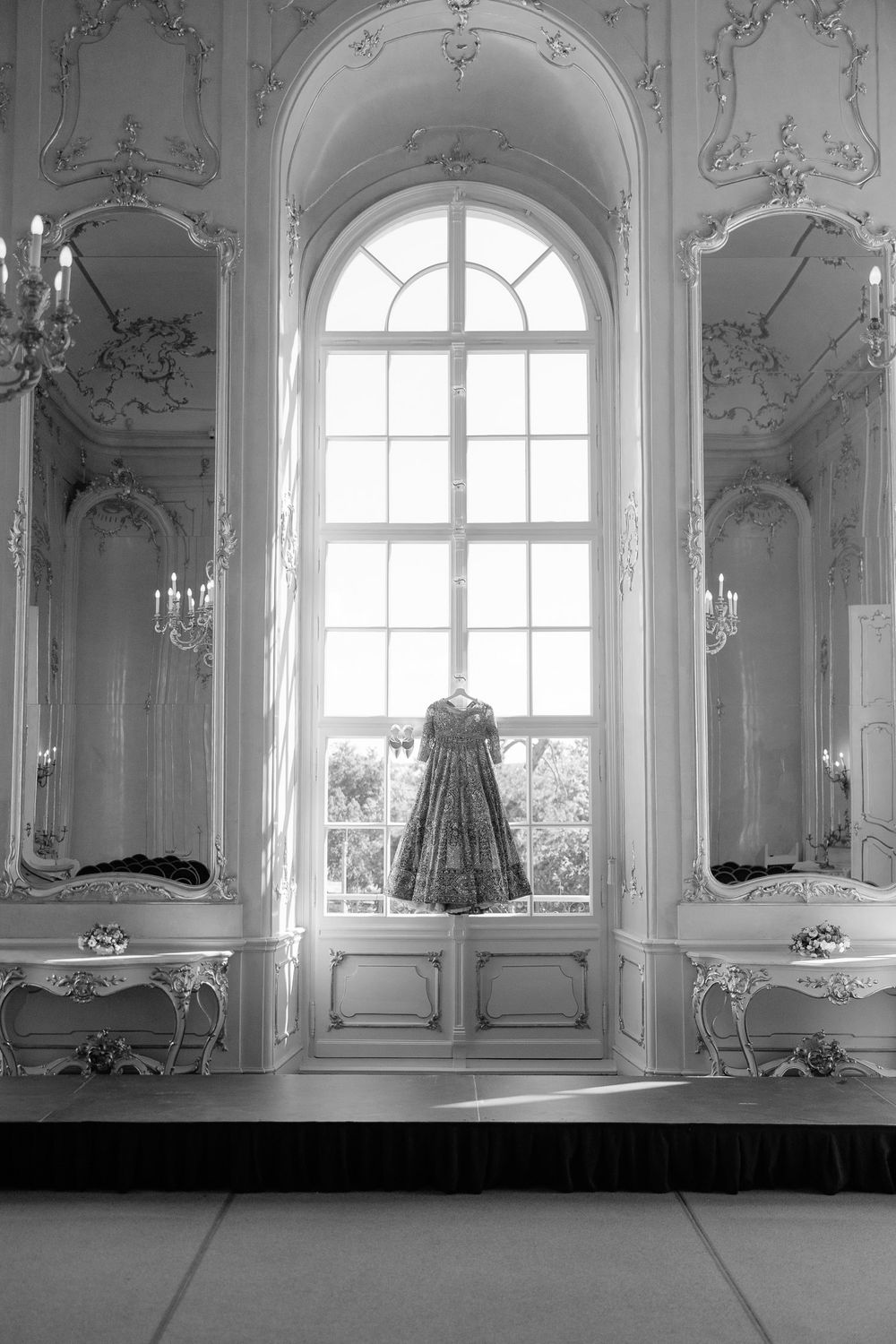
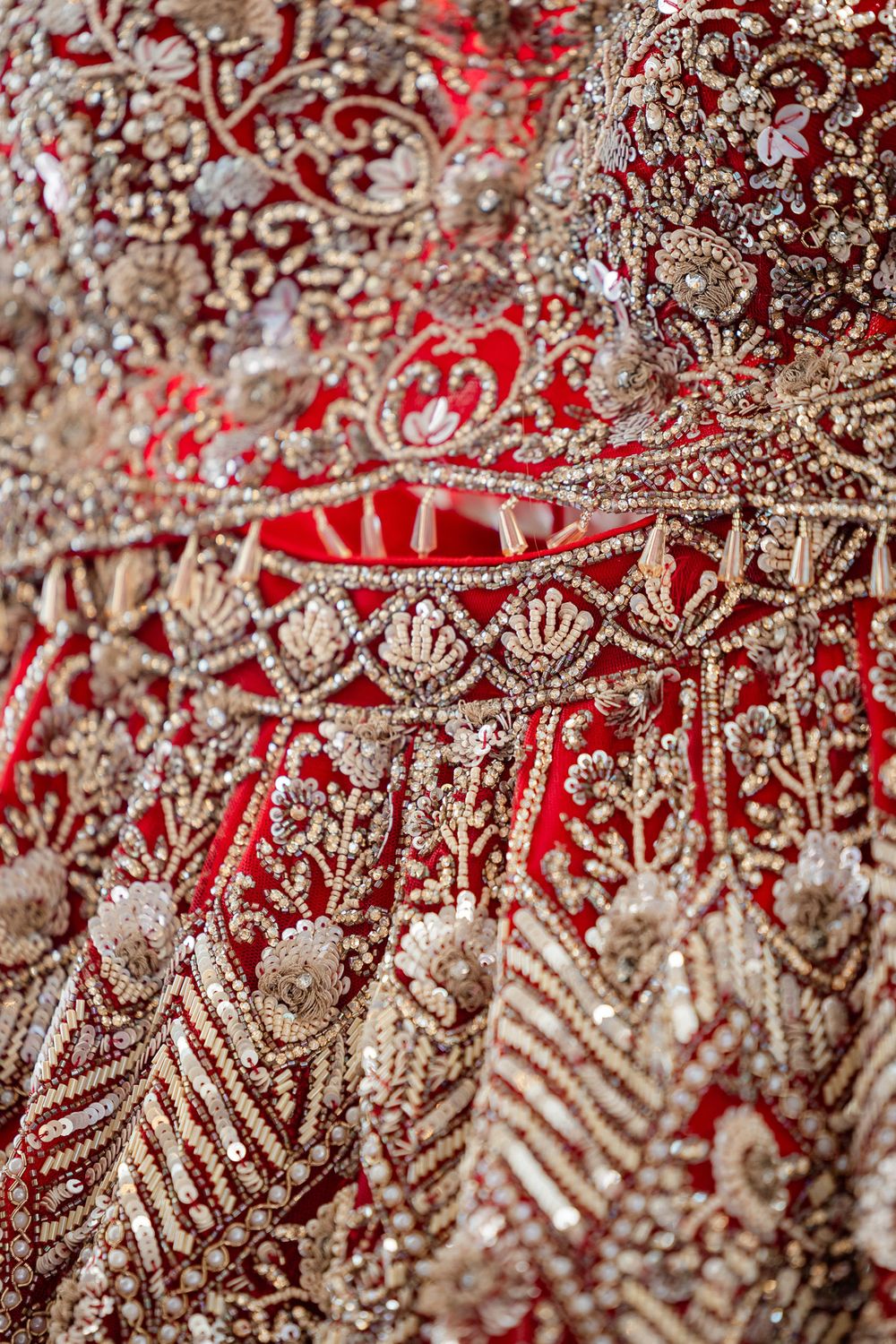
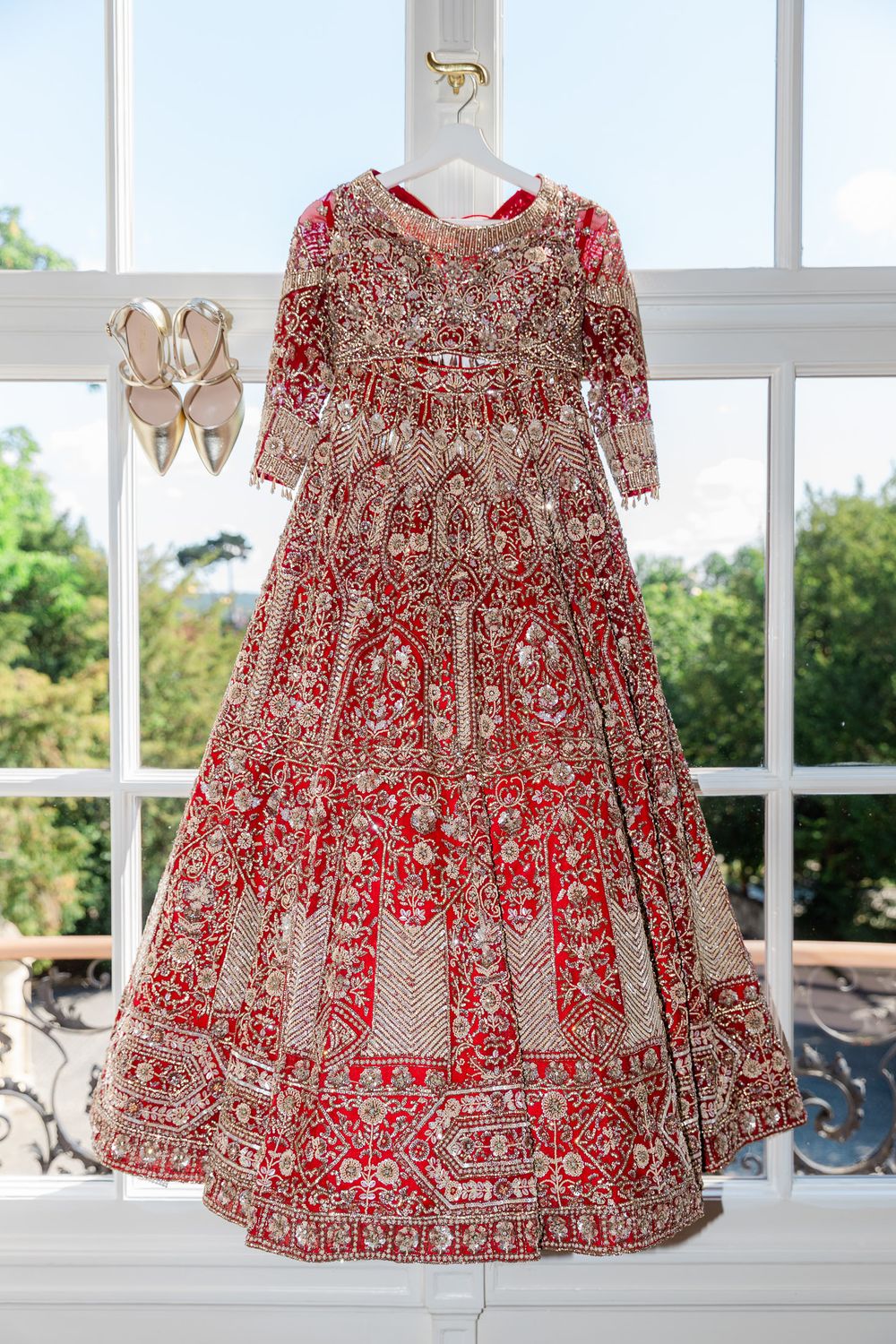
Outfits: Baabul London and Stan Ahuja
Makeup: Rebeka Harto Makeup
Dhol drummers: Imperial Drummers (UK)
Cake: Burny's Cakes – Tortacsodák
Photo booth: Photo Fun Company
Hair: Fodo Gyöngyi Hair and Palotai Alexandra Hair Studio
Nails: Petra Nail Designer
Dance instructor: Bhangra Budapest DA
Henna: Henna by Angelika
Final Thoughts
When a couple chooses not to compromise between two cultures, but to celebrate both fully, the result is never just a wedding — it becomes a tribute to two families and two countries at once. Laura and Vikram's three days proved exactly that: the energy of the Baraat, the tenderness of the Milni, the spirituality of the Anand Karaj, the historic grandeur of Gödöllő Palace, and the relaxed summer elegance of the Danube riverside all came together into one coherent, deeply moving story.
For us as their wedding photographers, this is exactly the kind of challenge we love most: understanding and honouring the traditions we're documenting, while finding the visual language that does justice to both cultures at once. If you're an Indian couple — wherever in the world you're based — dreaming of a European wedding that still feels completely, authentically yours, we'd love to help you plan a celebration as unforgettable as Laura and Vikram's, from the first beat of the dhol to the last happy tears after the cake is cut.